

CBCT Adoption: A Smarter Path to 3D Imaging
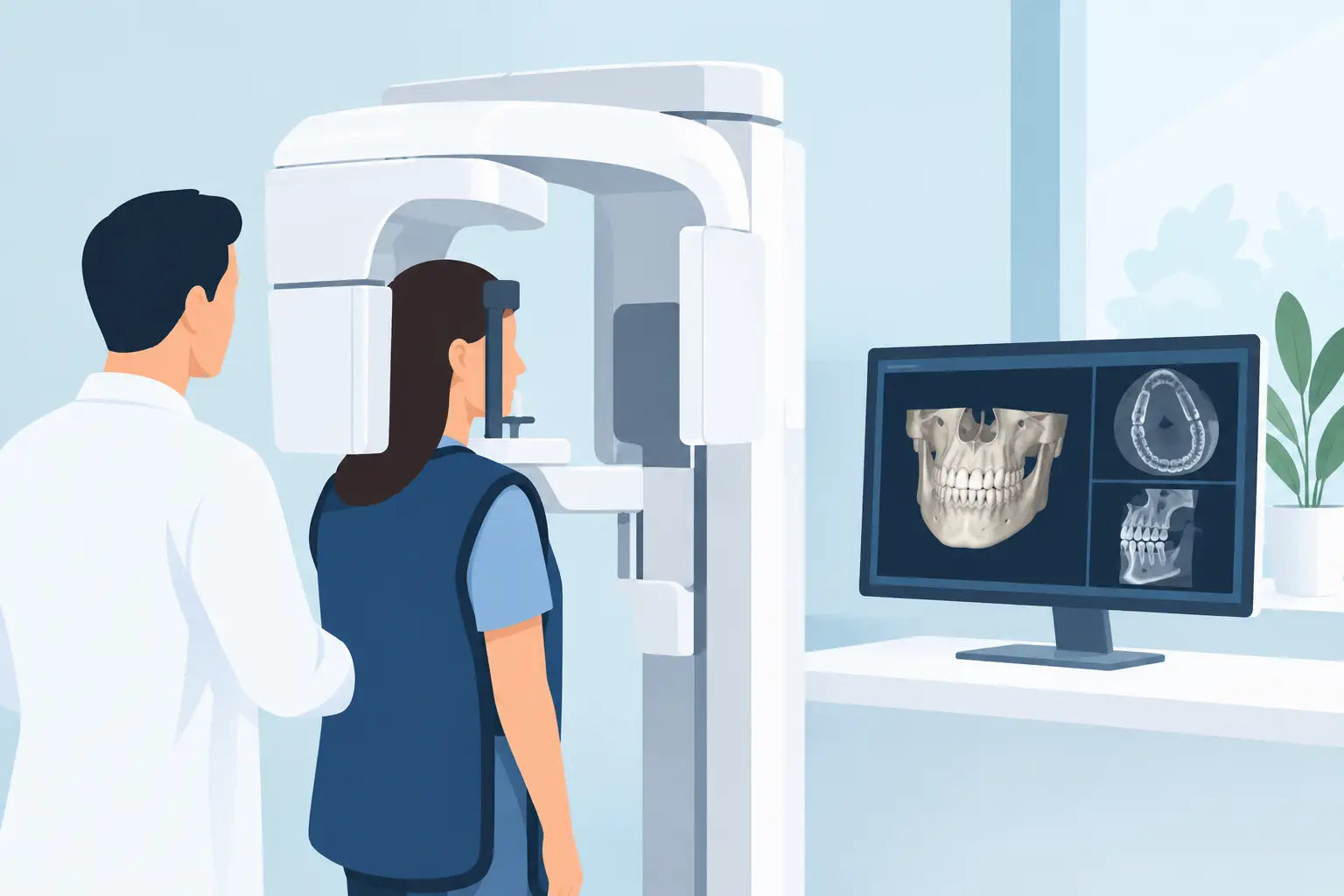
A missed canal, an uncertain implant site, or a lesion that does not tell the full story on 2D imaging can quickly turn a routine case into a clinical question mark. CBCT adoption gives practices a practical way to see anatomy in three dimensions, plan with greater confidence, and keep more complex care moving forward without automatically referring it elsewhere.
For general practices, specialty offices, and growing group organizations, the question is no longer whether 3D imaging has clinical value. The better question is whether the technology fits the procedures, patient volume, team capacity, and financial plan of the practice. A sound decision connects clinical performance with a workflow your team will actually use.
Why CBCT Adoption Is Moving Beyond Specialty Practices
Cone beam computed tomography was once viewed primarily as a specialty-office investment. Endodontists used it to evaluate complex root anatomy and resorptive defects. Oral surgeons relied on it for implant planning, impacted teeth, and proximity to critical structures. Orthodontic and airway-focused practices used 3D datasets to improve planning.
Those uses remain central, but general dentists increasingly have strong reasons to bring CBCT in-house. Implant placement, third-molar evaluation, difficult endodontic diagnosis, surgical extractions, pathology assessment, and treatment planning all benefit from an accurate view of the relevant anatomy. A well-selected system can reduce the gap between a patient consultation and a clinically informed recommendation.
There is also a business reality behind the trend. Referring every 3D scan out can add delays, inconvenience patients, and interrupt case acceptance. When imaging is available in the office, the clinician can review findings with the patient while the concern is immediate. That does not mean every office needs a CBCT unit. It means the decision should be based on documented clinical demand rather than the old assumption that 3D imaging is only for large specialty centers.
Start With the Cases You Already See
The best CBCT purchase begins with a case review, not a feature sheet. Look back at the last six to 12 months. How many implant cases were planned? How many endodontic cases involved unclear symptoms or anatomy? How many surgical extractions, suspected fractures, impacted teeth, or sinus evaluations required outside imaging?
This review creates a more useful forecast than a broad estimate of "future growth." It also identifies which field of view is appropriate. A practice focused on single-site endodontics or implant planning may prioritize a smaller field of view and high-resolution imaging. A multi-provider office treating full-arch implant, surgical, orthodontic, or airway cases may need broader coverage and more flexible field-of-view settings.
Bigger is not automatically better. Larger fields can be valuable, but they may increase cost, footprint, and data-management needs. The right system is the one that captures the diagnostic information required for the cases you perform while supporting dose-conscious imaging protocols.
Match field of view to clinical intent
Field of view, voxel size, scan time, patient positioning, and software tools all affect the clinical experience. High resolution is useful when fine anatomy matters, yet it should be considered alongside dose, file size, and the time required to review a scan properly.
Ask practical questions during selection. Can the unit accommodate your typical patient population? Is positioning intuitive for staff? Are the scan presets clear? Can the software support implant planning, cross-sectional views, nerve tracing, airway analysis, or endodontic evaluation based on your needs? A feature that will not be used is not a value advantage, even if it looks impressive in a product comparison.
The Workflow Determines Whether the Investment Performs
A CBCT system can improve diagnosis, but it also creates a new workflow. Someone must obtain the scan, verify the order and patient record, review image quality, route the dataset correctly, and ensure the clinician has time to interpret it. Practices that plan these steps before installation usually see faster adoption and fewer bottlenecks.
Start by creating simple protocols for the most common indications. For example, define when implant candidates receive a CBCT scan, who captures it, where the dataset is saved, and when it is reviewed with the patient. The same approach works for endodontic or surgical cases. Clear protocols prevent both underuse and unnecessary exposure.
Training should go beyond pressing the exposure button. Team members need confidence with patient positioning, artifact reduction, retakes, image export, and basic troubleshooting. Clinicians need to be comfortable navigating the viewer and recognizing when interpretation requires a radiologist consultation or specialist input. The scanner is only one part of the clinical system around it.
Interpretation is a clinical responsibility
A CBCT scan can reveal findings outside the immediate area of interest. That is part of its value, and part of its responsibility. Practices should establish a consistent approach to reviewing the complete volume and documenting findings. When needed, use qualified oral and maxillofacial radiology support for interpretation.
This is not a reason to avoid CBCT. It is a reason to adopt it thoughtfully. The same professionalism that guides case selection should guide interpretation, recordkeeping, and communication with patients and referring providers.
Compliance, Safety, and Purchasing Confidence
For US dental practices, regulatory readiness should be part of the purchasing conversation from day one. Confirm that the equipment is FDA-cleared for its intended use and that it aligns with applicable state radiation regulations. Requirements can vary by state and may involve registration, inspections, shielding considerations, operator training, and documentation.
Radiation safety is also a clinical and patient-communication issue. CBCT should be prescribed when the expected diagnostic benefit justifies the exposure, not as a default substitute for every 2D image. Systems with adjustable fields of view and exposure settings can help practices apply the ALARA principle while maintaining diagnostic quality.
Do not treat support as an afterthought. A lower initial price is meaningful only if the supplier can provide responsive answers, clear documentation, installation guidance, warranty details, and a dependable path for service. For a system that affects treatment planning and daily scheduling, downtime carries a real cost.
Build the ROI Around More Than Scan Fees
The financial case for CBCT adoption is often oversimplified. Scan revenue matters, but it is only one part of the return. A better model accounts for referral leakage, treatment acceptance, production from procedures retained in-house, time saved during planning, and the patient experience of receiving diagnostic information in one location.
Begin with the true cost of ownership: equipment price, financing if used, installation requirements, training, software or service fees, and any needed facility upgrades. Then compare that figure with your realistic volume, not an optimistic projection. A practice performing a modest number of high-value implant and surgical cases may find that improved planning and case retention justify the investment even before standalone scan fees are considered.
For a DSO or multi-location group, standardization can add another layer of value. Shared protocols, consistent image quality, common training materials, and centralized purchasing can make deployment more efficient. On the other hand, not every location needs identical capabilities. Match each office's equipment plan to its providers, referral relationships, and service mix.
A Practical Decision Framework for CBCT Adoption
Before committing, bring clinicians, office leadership, and the purchasing team into the same discussion. Review the clinical indications, expected monthly scan volume, available space, installation needs, software compatibility, training plan, and service expectations. This prevents a technology decision from becoming an operations surprise.
It is also worth requesting a transparent product comparison. Evaluate field-of-view options, image quality, patient positioning, software functions, warranty coverage, lead times, and total delivered cost. An affordable system should still meet the standards your practice expects for clinical reliability and regulatory confidence.
ProElite Dental Supply works with licensed dental professionals seeking professional-grade imaging without the legacy-brand price burden. The right buying experience should feel straightforward: clear product information, responsive support, and equipment selected for the way your practice actually delivers care.
CBCT is not a purchase to make simply because competitors have one. It is a capability to add when it gives your clinicians clearer answers, your patients a better path forward, and your practice a stronger foundation for the procedures it is ready to provide.