

Choosing an ES70 Electric Motor for Dental Use
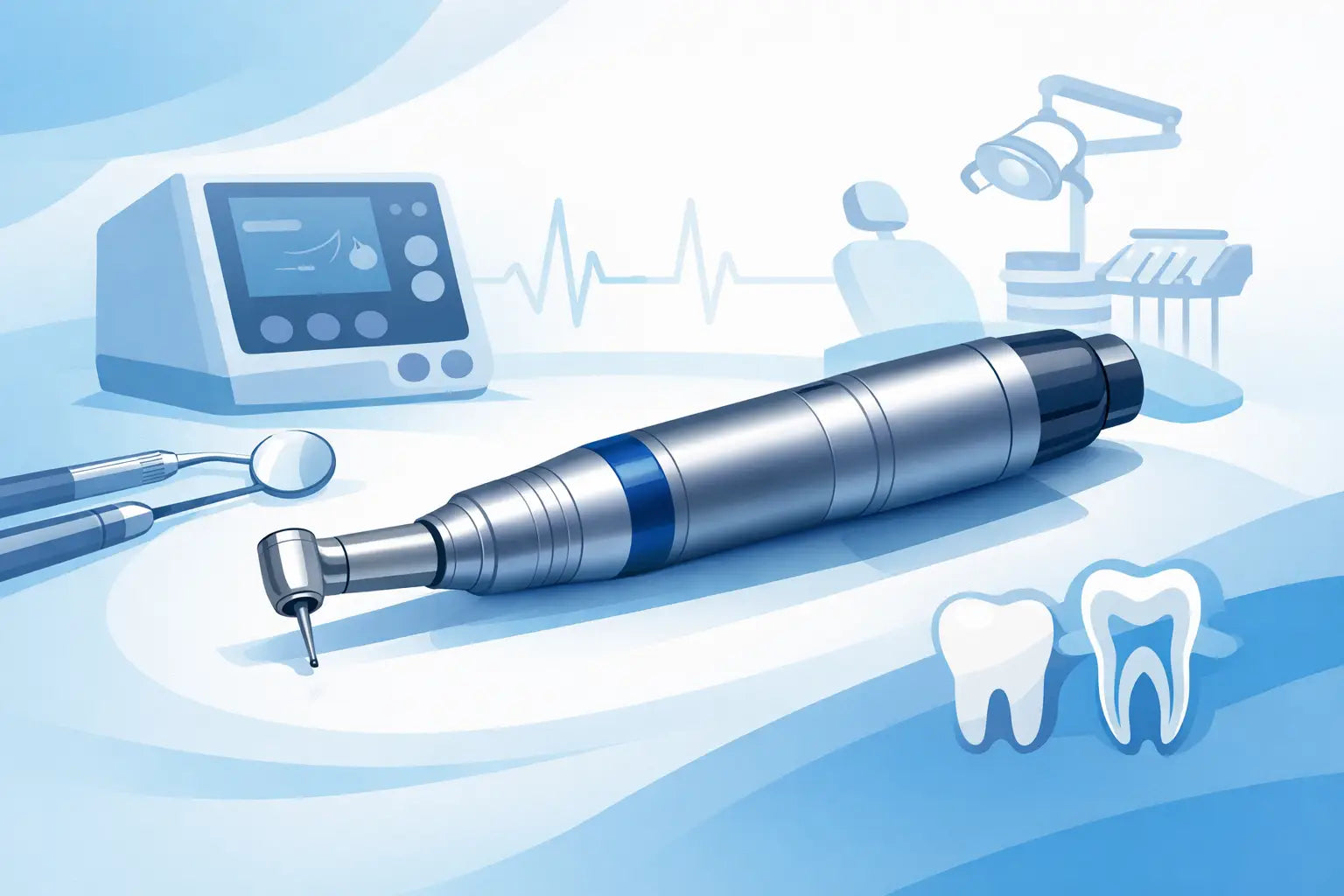
For practices moving beyond the familiar feel of an air-driven handpiece, the ES70 electric motor dental setup is worth evaluating as a workflow decision, not just a handpiece upgrade. Motor-driven dentistry can bring more controlled cutting behavior, a consistent operating feel, and better versatility across restorative, endodontic, and hygiene-related procedures when paired with the right attachments.
The right choice still depends on your existing delivery units, clinical mix, preferred handpiece ratios, and service expectations. A motor that looks attractive on price but does not fit the operatory connection or your team’s workflow creates friction no practice needs. The goal is simple: reliable clinical performance at a cost that makes sense for the practice.
What an ES70 Electric Motor Dental System Changes
An electric motor system uses an electronically powered motor to drive a compatible handpiece. Unlike an air turbine, where speed and torque are tied closely to air pressure, an electric motor is designed to provide controlled power through its speed range. The result can be a more stable cutting experience, particularly when using reduction attachments for slower-speed, higher-torque applications.
For a general practice, this matters during procedures where control is more valuable than maximum speed alone. Crown preparation, caries removal, finishing, polishing, and endodontic access each place different demands on the handpiece. With compatible attachments, an electric motor can give the clinician more options without requiring a separate motor platform for every task.
It also changes the sensory experience at the chair. Many clinicians value the smoother operation and lower-pitched sound associated with electric systems compared with traditional air-driven turbines. Patient perception varies, of course, but a more controlled, less harsh handpiece sound can be a meaningful part of a calmer operatory experience.
Speed is only part of the conversation
Comparing handpiece systems by maximum RPM misses the clinical point. The useful question is whether the system delivers the speed, torque, and control needed for the bur, material, and procedure at hand. A 1:5 increasing attachment is intended for high-speed restorative work, while 1:1 and reduction attachments support slower procedures where precision is the priority.
That flexibility can help standardize an operatory. Rather than stocking separate air-driven tools for every indication, a practice may build a compatible electric setup around a motor and a thoughtfully selected group of attachments. It is not automatically the least expensive path on day one, but it can be a practical investment when utilization is high.
Where the ES70 Electric Motor Fits Best
The ES70 electric motor is most compelling for practices that want a dependable, adaptable drive system without paying solely for a legacy brand name. It can be a strong fit for general dentistry, restorative practices, and multi-provider offices that want more consistent handpiece performance across operatories.
For restorative dentistry, controlled power helps when cutting through existing restorative materials or preparing teeth with a reduction handpiece. A steady feel can reduce the tendency to compensate with excessive pressure, supporting a more deliberate clinical approach.
For endodontic teams, an electric motor may be useful as part of the broader handpiece setup for access and restorative procedures surrounding endodontic treatment. It should not be confused with a dedicated endodontic motor used for rotary or reciprocating file systems. Those are different categories with different programming, torque-control, and safety requirements.
For hygiene and preventive care, compatibility with low-speed attachments can support polishing and other routine procedures. The value is especially clear in offices looking to reduce equipment inconsistency between rooms while giving clinicians a familiar, repeatable setup.
Compatibility Should Come Before Checkout
Before purchasing an electric motor, confirm exactly how it will connect to your delivery system. This is the step that protects the investment. Dental equipment connections can vary by unit, coupling style, tubing configuration, electrical requirements, water delivery, and lighting setup.
Start with the operatory, not the motor. Identify the make and model of the delivery unit, the existing handpiece tubing, and whether the practice requires fiber-optic illumination. If you are replacing an older motor or handpiece platform, document the current connection and any adapter already in use. Clear photos of the tubing, coupler, and delivery-unit connection can also help a supplier verify fit before an order is placed.
Handpiece compatibility requires equal attention. Confirm which attachment ratios are supported and whether your current contra-angles and straight attachments are designed for the motor interface you plan to use. A motor only delivers its full value when the attachments match the procedures your practice performs most often.
Ask these practical questions first
A purchasing conversation should cover four areas: delivery-unit compatibility, attachment compatibility, lighting requirements, and installation support. It is also wise to ask what maintenance steps are expected, what warranty support applies, and whether replacement components are readily available.
For multi-location practices and DSOs, standardization deserves its own review. The lowest purchase price is not always the lowest operating cost if each location ends up using different attachments, service processes, or training protocols. A consistent motor platform can make procurement, onboarding, and inventory control much easier over time.
Choosing Attachments for Clinical Workflow
The motor is the foundation, but attachments shape the daily experience. Most practices considering an electric platform should think in terms of procedure coverage rather than buying a motor and deciding later what to pair with it.
A speed-increasing contra-angle is typically the choice for high-speed cutting tasks. A 1:1 attachment offers direct-drive versatility for many routine low-speed applications. Reduction attachments are commonly selected when controlled speed and increased torque are needed. Straight attachments may be useful for laboratory, surgical, or specialty workflows depending on the practice.
The clinical mix should guide the setup. A restorative-focused office may prioritize a high-speed increasing attachment and a dependable 1:1 contra-angle. A practice that performs more implant, prosthetic, or surgical procedures may need a broader discussion about torque demands, irrigation, specialized motors, and procedure-specific handpieces. One electric motor does not replace every powered instrument in a modern practice.
Lighting is another decision that should be made intentionally. An illuminated motor and compatible fiber-optic attachment can improve visibility in posterior work, but only if the delivery unit and handpiece configuration support it. For operators accustomed to illuminated handpieces, losing that feature to save a small amount upfront can feel like a step backward.
Ownership Costs and Maintenance Expectations
An electric motor purchase should be evaluated over its service life. Consider the cost of the motor, attachments, adapters if needed, preventive maintenance, repairs, and downtime. The right platform is one your team can clean, lubricate, inspect, and service consistently according to manufacturer instructions.
Do not assume that every attachment follows the same maintenance process. Some handpieces require routine lubrication, while other components may have different cleaning or sterilization limitations. Follow the instructions for both the motor and each attachment. Improper processing can shorten service life, affect performance, and create avoidable repair expenses.
Team training is usually straightforward, but it should not be skipped. Assistants and clinicians need to know how attachments connect, how settings are adjusted, how water and light functions are checked, and what signs may indicate a service issue. A short, organized implementation process is better than introducing new equipment mid-schedule without preparation.
A Smarter Way to Add Electric Power
For a single operatory, start with the procedures that create the most handpiece frustration today. That may be inconsistent cutting feel, air turbine noise, insufficient control at slower speeds, or a need to replace aging equipment. Build the configuration around that real problem.
For a practice-wide update, pilot the system in one busy operatory first. Let experienced clinicians assess ergonomics, attachment selection, maintenance routines, and patient response before standardizing across rooms. This approach gives the practice useful feedback without forcing a full conversion before the team is ready.
ProElite Dental Supply supports licensed dental professionals seeking professional-grade equipment with straightforward product guidance and dependable service. When considering an ES70 system, a compatibility-first conversation can help ensure the motor, attachments, and operatory setup work together as intended.
A well-selected electric motor should make the day feel more controlled, not more complicated. Verify the fit, choose attachments around the procedures you actually perform, and invest in a setup your team will be confident using from the first patient to the last.