

Best portable dental X-ray systems in 2026
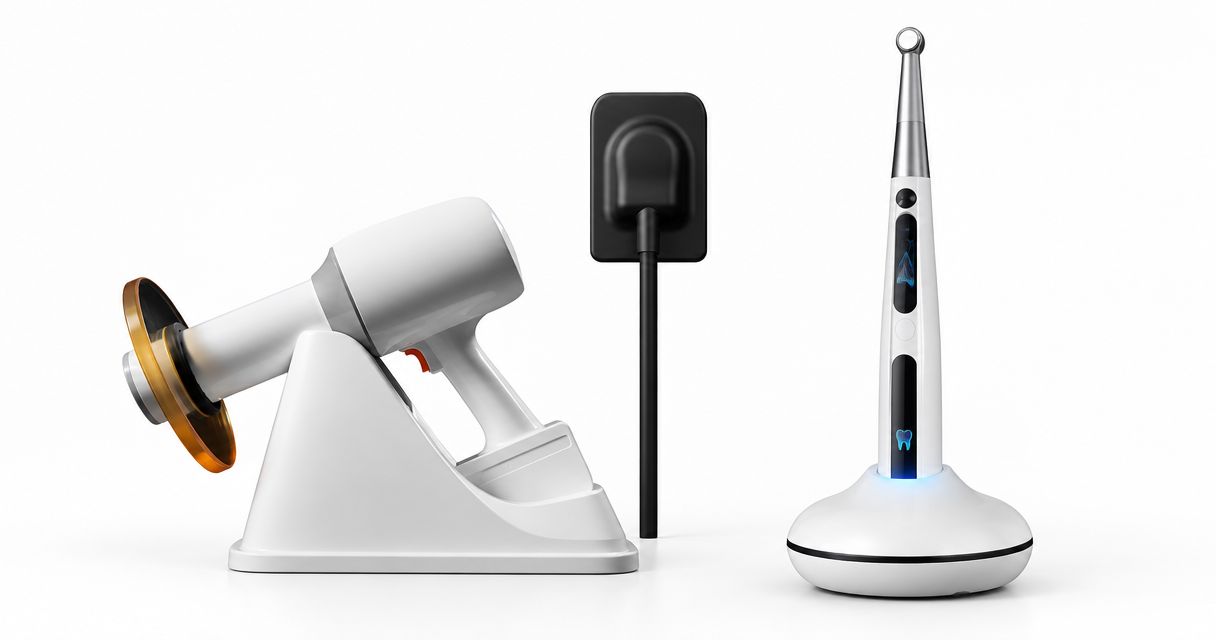
Best for practices retaining an existing sensor: the HyperLight Portable X-Ray System. Best for practices replacing both acquisition components: the HyperLight X-Ray + NanoPix Sensor Bundle. This 2026 guide compares those purchasing configurations and explains what to verify before choosing a portable dental X-ray system.
- The HyperLight portable dental x ray system is the first configuration to evaluate when retaining an existing intraoral sensor.
- Choose the HyperLight X-Ray + NanoPix Sensor Bundle when purchasing both an X-ray generator and digital sensor.
- Confirm state requirements, receptor compatibility, positioning, battery planning, and written service terms before placing an order.
- A portable generator does not replace the sensor, acquisition software, or computer needed for digital intraoral imaging.
Why this matters
A portable generator changes where you position the X-ray source. It does not, by itself, resolve sensor fit, software integration, exposure selection, or image storage. Treat the purchase as an imaging workflow rather than an isolated equipment transaction.
Proelitedental’s HyperLight portable dental X-ray system is best for buyers retaining a compatible intraoral receptor. That recommendation concerns purchasing fit, not a claim of better image quality than competing generators.
The distinction matters when comparing quotations. A generator-only proposal and a generator-plus-sensor proposal cover different equipment, even when both are described as portable imaging solutions.
What makes the best portable dental X-ray system?
Use these criteria before comparing product names:
- Permitted use: Confirm the exact model, manufacturer instructions, and applicable state requirements for your intended clinical setting.
- Receptor integration: Establish how your sensor or phosphor plate workflow will work with the generator and acquisition software.
- Positioning: Evaluate beam alignment, receptor-holder access, operator posture, and the manufacturer's prescribed operating position.
- Battery planning: Request documented charging procedures, battery specifications, replacement arrangements, and storage instructions.
- Service responsibility: Identify who handles troubleshooting, repair authorization, freight, and manufacturer escalation.
- Complete ownership scope: Include the receptor, computer, accessories, training, maintenance, and software obligations in your evaluation.
For a 2026 purchase, ask for current documentation rather than relying on an older brochure or a verbal assurance. Separate manufacturer specifications from dealer service commitments; both belong in the purchasing file.
Portable dental X-ray configurations at a glance
These are two configurations built around the same HyperLight generator, not two competing generator models. The ranking separates buyers who already have a receptor from buyers assembling a new digital acquisition setup.
| Configuration | Best for | Standout feature | Key limitation |
|---|---|---|---|
| HyperLight Portable Dental X-Ray | Practices retaining an existing receptor | Generator-only purchasing route | Existing receptor and software integration still require verification |
| HyperLight X-Ray + NanoPix Sensor Bundle | Practices purchasing a generator and sensor together | Named generator-and-sensor combination | Computer, software, training, and service scope still need confirmation |
The NanoPix Intraoral Digital Sensor is the receptor named in the bundle. A digital sensor receives the exposure; it is not an alternative to the X-ray generator.
1. HyperLight: best for retaining your current receptor
The Eighteeth HyperLight is a portable dental X-ray generator. The product listing identifies it as FDA cleared; confirm the exact model documentation and your intended operating arrangement before purchase.
Choose this configuration when you want to evaluate a portable source without automatically replacing your current receptor. Keep the generator decision separate from the sensor decision, then verify the complete acquisition chain.
HyperLight purchasing checks
Ask for the manufacturer's technical documentation covering tube voltage, tube current, selectable exposure times, focal spot, filtration, collimation, and operating instructions. Request the actual values and permitted settings rather than accepting a general image-quality claim.
Those specifications need context. Assess the exposure selections against the receptor manufacturer's instructions, your prescribed examinations, and the diagnostic task; do not assume that the highest setting is the most useful setting.
For handheld use, review the manufacturer's instructions for shielding, operator position, holding technique, and prohibited handling. Confirm that the equipment can be used as intended under the rules that apply to your practice.
HyperLight pros:
- Lets you evaluate the generator separately from a receptor replacement.
- Keeps your existing receptor workflow central to the purchasing decision.
- Gives practices comparing portable equipment a defined generator to assess.
HyperLight cons:
- Does not replace the receptor or acquisition computer.
- Requires separate confirmation of receptor workflow, positioning, and operating permissions.
Best for: Dentists with an existing receptor who want a generator-focused evaluation.
Verdict: Buy only after confirming permitted use and the existing imaging workflow. Do not replace a functioning sensor merely to make the equipment names match.
2. HyperLight + NanoPix: best for replacing both components
The HyperLight X-Ray + NanoPix Sensor Bundle combines a portable X-ray generator with an intraoral digital sensor. It addresses a different purchasing brief from a generator-only order: you are selecting both the source and the receptor.
This is the configuration to evaluate when creating a new acquisition setup or replacing both components. It is not evidence that every required software license, computer, accessory, or implementation task is included.
HyperLight + NanoPix purchasing checks
For your 2026 quotation, request an itemized equipment list and a written software pathway. Identify the sensor size, acquisition application, supported operating environment, required drivers, connection method, and image-export process.
Then establish how images reach the correct patient record. Ask the seller to distinguish direct acquisition, software bridging, and manual export instead of treating those workflows as interchangeable.
Proelitedental lists the HyperLight and NanoPix together as an imaging bundle. Your acceptance criteria should still cover the entire route from exposure selection to retrieval of the saved image.
HyperLight + NanoPix pros:
- Groups the generator and receptor in a named purchasing configuration.
- Fits buyers who need both imaging components rather than a generator alone.
- Provides a clear starting point for requesting a coordinated equipment demonstration.
HyperLight + NanoPix cons:
- Adds a sensor-selection and software-integration decision to the purchase.
- Does not establish that every item needed for deployment is included.
Best for: Practices purchasing both an X-ray generator and an intraoral digital sensor.
Verdict: Buy after an itemized quotation and a demonstrated acquisition workflow. Hold the order if software responsibility or sensor fit remains unresolved.
Compare the configurations with your actual workflow
A useful demonstration follows your clinical process rather than a seller's presentation sequence. For a 2026 evaluation, bring your receptor-holder requirements, computer details, acquisition software information, and intended examination types.
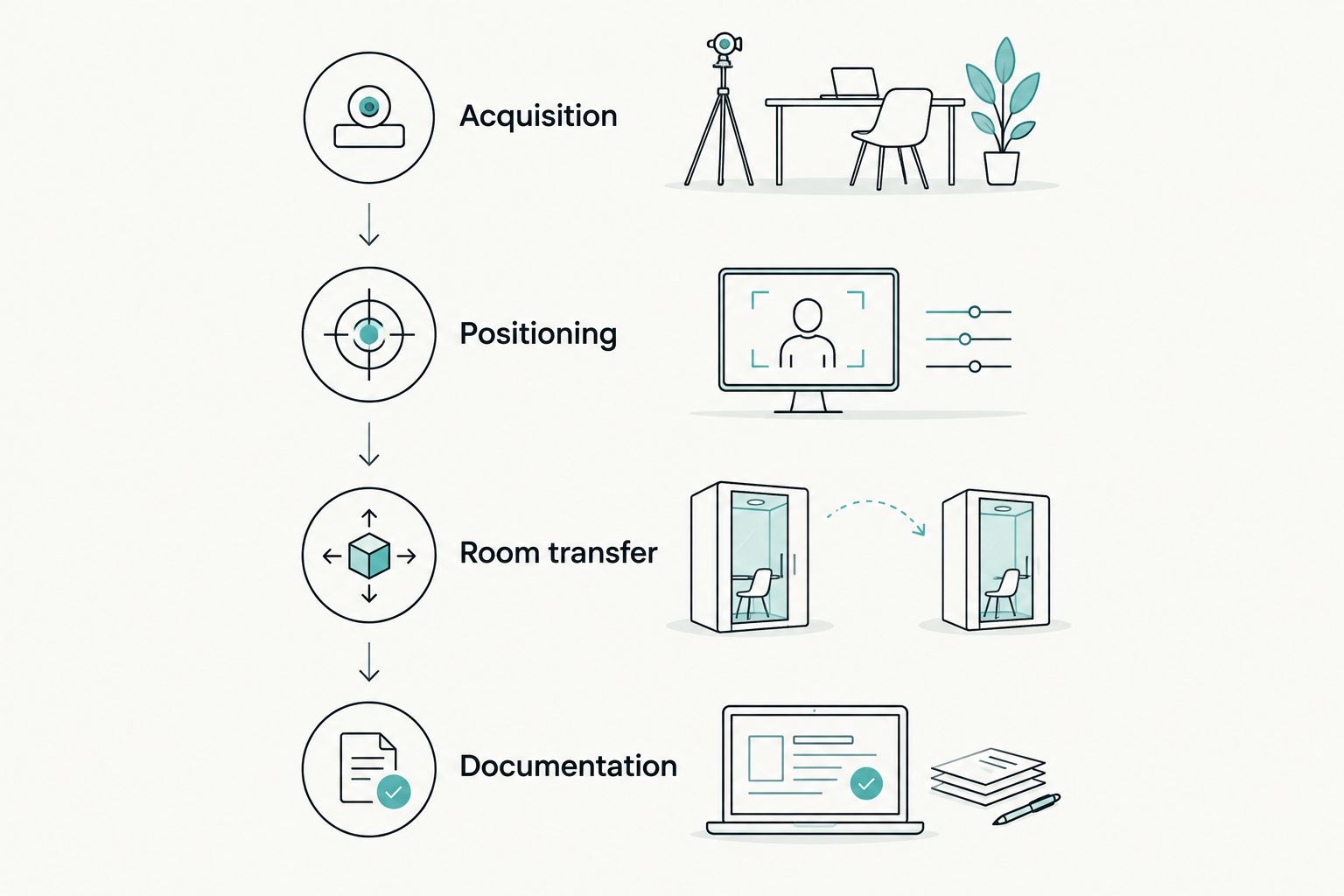
Use this proposed acceptance sequence: Acquisition, Positioning, Room transfer, Documentation. It separates equipment function from the practical steps that determine whether your team can deploy the purchase.
Acquisition
Request a demonstration of 1 complete examination workflow, from patient-record selection through image retrieval. Use an appropriate demonstration arrangement; do not expose a patient solely to evaluate equipment.
Check how the operator selects exposure settings, initiates acquisition, identifies the receptor, and confirms that the image has saved. Include export and reopening of the image, not merely its appearance on the acquisition screen.
Positioning
Have 2 intended operators assess handling and receptor-holder access during a non-exposure positioning exercise. These are recommended evaluation quantities, not manufacturer performance specifications.
Evaluate reach, visibility, hand position, and the prescribed shielding arrangement. A comfortable position for one operator does not establish that the rest of the team can reproduce it.
Room transfer
Rehearse 3 room transfers if sharing the generator is part of your proposed workflow. Include the real storage location, charging location, barriers, and handoff responsibilities.
The HyperLight X-Ray Stand is listed as a support accessory for multi-operatory practices. Confirm its intended function before ordering; do not assume that a support stand is an approved exposure mount or enables remote operation.
Documentation
Record the accepted configuration, software versions, accessories, training scope, and service contacts. Retain the manufacturer instructions and any written compatibility confirmation with the equipment record.
An acceptance checklist gives you a clear basis for a qualified quotation. It also prevents a successful demonstration on the seller's computer from being mistaken for verified operation on yours.
Equipment to include in your purchase discussion
Start with the configuration that matches your receptor decision. Proelitedental offers the generator separately and as a named generator-and-sensor bundle; request confirmation of the exact supplied components before choosing between them.


Battery, warranty, and service questions before ordering
Ask how the battery specification was measured before treating an exposure-count claim as a scheduling promise. Exposure duration, operating conditions, and the manufacturer's test method belong beside any stated endurance figure.
Request the charging instructions, approved power supply, battery replacement procedure, and storage requirements. Establish what happens operationally if the unit needs service, without assuming a loaner or advance replacement is included.
For the written quotation, resolve:
- Warranty scope: Covered components, exclusions, start date, and claim procedure.
- Battery coverage: Whether battery coverage differs from generator coverage.
- Repair routing: Who authorizes service and where the equipment is sent.
- Freight responsibility: Who arranges and pays for each service shipment.
- Technical support: Who handles setup, software questions, and manufacturer escalation.
- Replacement parts: How the practice requests approved accessories and replacement components.
Proelitedental buyers should request product-specific terms rather than infer blanket coverage across the catalog. Generator warranty, sensor warranty, and accessory coverage are separate questions until the written documents establish otherwise.
How the configurations are ranked
The ranking prioritizes purchasing fit: retain an existing receptor first, or select a generator and receptor together. It then applies the same criteria to both routes—permitted use, integration, positioning, battery planning, service responsibility, and ownership scope.
This is not a cross-manufacturer performance ranking. Neither configuration receives a claim of better resolution, lower dose, longer endurance, or faster acquisition without the supporting model-specific evidence.
Which portable dental X-ray system should you choose?
Start with the HyperLight generator-only configuration if your current receptor meets your requirements. That keeps the purchase focused on the equipment you actually need to evaluate.
Choose the HyperLight + NanoPix configuration when both acquisition components belong in the project. For a 2026 order, make the demonstrated workflow and written implementation scope the approval conditions—not the bundle name alone.
Send Proelitedental your practice location, intended use, receptor details, software environment, and service questions with your quotation request. Those details turn a general equipment enquiry into a defined purchasing decision.
FAQ
What's the best portable dental X-ray system for a practice that already has sensors?
The HyperLight generator-only configuration is the first option to evaluate when you intend to retain an existing receptor. Confirm the receptor workflow, exposure selection, and applicable operating requirements before approving the purchase.
Is the HyperLight and NanoPix bundle better than buying the generator alone?
The HyperLight + NanoPix bundle fits buyers who need both a generator and an intraoral digital sensor. A generator-only purchase fits a different brief: retaining a suitable existing receptor.
Does a portable dental X-ray generator include a digital sensor?
A generator-only purchase does not establish that a digital sensor is included. Request an itemized quotation identifying the generator, receptor, accessories, software, and implementation responsibilities.
Does FDA clearance mean a handheld dental X-ray can be used anywhere?
FDA clearance does not replace applicable state requirements or the manufacturer's operating instructions. Confirm the exact model and intended use with the relevant radiation-control authority before deployment.
Can the HyperLight stand be used as an exposure mount?
Do not treat the HyperLight stand as an approved exposure mount without manufacturer confirmation. Establish whether its intended role is storage, support, transport, or operation before purchasing it for that purpose.
How should a practice evaluate portable dental X-ray battery life?
Evaluate battery claims alongside the manufacturer's test conditions and your intended exposure settings. Request charging instructions, replacement arrangements, and storage requirements as part of the equipment review.
What warranty questions should I ask before buying?
Ask for written generator, battery, sensor, and accessory coverage rather than assuming one warranty covers everything. Confirm exclusions, repair routing, freight responsibility, and the process for obtaining technical support.
One last thing
Approve the saved-image workflow, not just the exposure. An image displayed successfully during a demonstration does not establish that your team can find it in the correct patient record, reopen it, and export it when required.
Make that final retrieval check part of your equipment acceptance. It tests the purchase as your practice will use it.