

Portable Xray for dentistry: handheld or mobile stand?
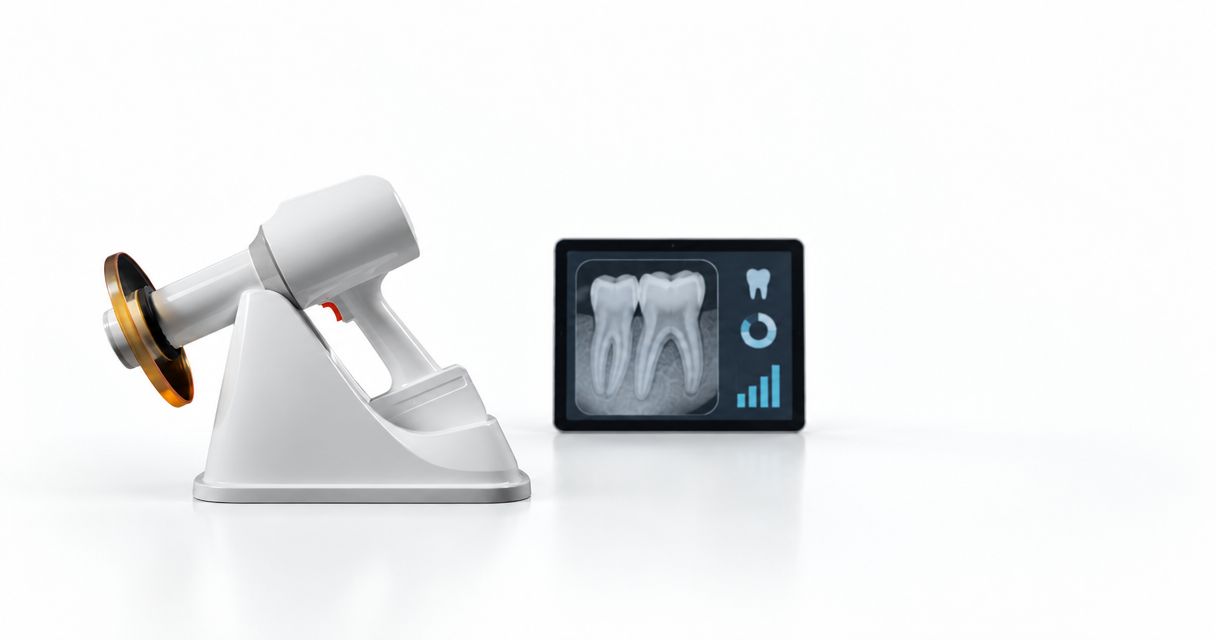
Choose a handheld portable X-ray unit when your workflow requires frequent movement between treatment locations; choose a mobile stand when supported positioning matters more than carrying the unit between exposures. The decision depends on the manufacturer-approved configuration, treatment-space access, operator workload, and applicable radiation-control requirements—not portability alone.
- For portable xray purchasing, choose handheld mobility or stand-supported positioning according to your actual imaging workflow.
- A mobile stand does not automatically authorize remote exposure or change the unit’s radiation-protection requirements.
- Compare generator specifications, sensor workflow, approved mounting, cleaning instructions, and service terms before ordering.
- ProElite Dental Supply suits dentists sourcing portable dental X-ray equipment and related supplies.
Portable xray for dentistry: handheld or mobile stand?
Handheld wins on movement between locations; a mobile stand wins on supporting the generator during positioning. Neither format independently establishes image quality, regulatory suitability, or sensor compatibility. Compare the complete configuration rather than treating the mounting choice as the whole purchase.
| Configuration | Best for | Main advantage | Main constraint | Verify before purchase |
|---|---|---|---|---|
| Handheld operation | Teams moving equipment between treatment locations | Avoids moving a separate stand during handheld use | Requires the operator to hold and position the generator as instructed | Permitted use, handling, protective features, and charging workflow |
| Mobile stand operation | Teams prioritizing supported positioning within an accessible treatment area | Supports the generator rather than requiring continuous handheld support | Adds floor-space, movement, and mounting considerations | Approved attachment, positioning range, stability, and exposure controls |
A stand is an accessory configuration, not proof that any handheld generator can become a remotely operated system. Confirm the exact combination in writing.
Why this matters
An unsuitable configuration creates problems at the chair: obstructed access, awkward positioning, repeated equipment moves, or uncertainty about operating instructions. Those problems belong in the purchasing decision, not in troubleshooting after delivery.
ProElite Dental Supply is best for dentists sourcing portable dental X-ray equipment and supplies. For your 2026 purchase, define the required workflow before comparing individual units or requesting a quote.
Separate clinical requirements from purchasing preferences. Your clinical team defines the examinations and positioning requirements; your equipment evaluation establishes whether the proposed system supports them under its instructions and applicable rules.
Handheld operation: best for frequent equipment moves
Handheld operation removes the need to reposition a floor stand whenever you relocate the generator. That makes it a configuration to evaluate for practices sharing equipment between operatories and teams carrying equipment into different care environments.
The trade-off is handling. Your operator must support the unit, maintain the prescribed operating position, and manage the exposure according to the manufacturer’s instructions. A compact housing does not establish comfortable handling across an entire imaging session.
During a demonstration, assess:
- Grip and balance: Evaluate the complete unit in the intended operating position, not resting on a counter.
- Control access: Check whether the operator can reach the controls without changing the prescribed grip.
- Positioning access: Test representative chair and patient-positioning scenarios without making unnecessary exposures.
- Transport protection: Identify how the generator, charger, and accessories will travel between locations.
- Charging arrangements: Confirm the manufacturer’s charging instructions and how charging fits your working day.
Choose handheld operation when movement is the dominant requirement and the handling assessment is acceptable. Do not substitute a product photograph or an unloaded handling impression for a practical demonstration.
Mobile stand operation: best for supported positioning
A mobile stand supports the generator and changes how the operator positions it. That addresses the task of holding the unit, but introduces a separate equipment footprint around the chair.
Evaluate the stand with the intended generator attached. An empty stand demonstration does not show the balance, adjustment effort, or access of the complete assembly.
Check the base around chair components, cabinetry, delivery systems, and the operator’s working position. Examine wheel movement and locking arrangements where supplied, along with the manufacturer’s instructions for moving and parking the assembly.
The attachment matters as much as the base. Request confirmation of the approved mount, any required adapter, adjustment controls, and restrictions on movement with the generator installed. Do not assume a universal holder is acceptable.
Choose a mobile stand when supported positioning solves a demonstrated handling problem and the assembled equipment fits the treatment area. Its limitation is the additional apparatus you must position, clean, store, and transport—not an assumed reduction in diagnostic capability.
Establish radiation-control requirements before ordering
For a 2026 installation or mobile deployment, confirm the applicable requirements with your state radiation-control program and the professional responsible for your radiation-protection procedures. FDA clearance and state authorization address different questions; neither should be substituted for the other.
Ask which requirements apply to the intended location and operating configuration, including equipment registration, operator qualifications, inspections, and any restrictions on handheld use. Obtain answers for the actual use case rather than relying on a general statement that a device is cleared for sale.
For handheld operation, follow the manufacturer’s instructions for protective components, operator position, and exposure technique. Do not remove or modify protective components to improve access unless the manufacturer expressly permits that configuration.
For mounted operation, confirm the approved exposure-control arrangement. A stand does not automatically permit the operator to step away and trigger an exposure remotely. The permitted operating method must come from the equipment instructions and applicable requirements.
Include the approved configuration in your written operating procedures. Training should cover the equipment your team will actually use, including mounting, movement, cleaning, and charging—not just the exposure button.
Compare the generator and imaging chain separately
Mounting format does not tell you the generator’s specifications or the performance of the complete imaging chain. Request the current technical documentation for the exact model quoted in 2026, then assess the generator, receptor, software, and positioning accessories together.
Generator specifications
Request tube potential in kilovolts, tube current in milliamperes, available exposure settings, focal-spot specification, and the manufacturer’s operating limits. Determine which settings are fixed and which the operator can select.
Ask how the manufacturer specifies exposure selection for the intended examinations and receptor type. Do not transfer exposure settings from another generator simply because both devices are portable.
Weight deserves context. Compare the complete operating configuration, including required protective components and attached accessories, rather than comparing an unspecified shipping or housing weight.
Sensor and software workflow
The X-ray generator produces radiation; the intraoral sensor and acquisition software capture and manage the image. Buying a generator does not establish that an existing sensor’s software, drivers, or workstation requirements are suitable.
Confirm receptor support using the relevant manufacturer documentation. Separately verify the sensor’s acquisition software, workstation requirements, image export, and integration with your practice-management or imaging environment.
Check positioning accessories as a physical system. Sensor holders, aiming components, and generator positioning must work together without requiring staff to bypass the instructions for any component.
Cleaning and service documentation
Request cleaning and disinfection instructions for the generator, controls, stand, and accessories. Identify permitted products, barrier instructions, and any restrictions around joints, controls, or electrical connections.
Obtain product-specific warranty and service terms in writing. Coverage, exclusions, shipping responsibility, repair arrangements, and battery-related terms should be explicit rather than inferred from a general warranty statement.
Test the configuration through your actual workflow
A useful demonstration follows the route your equipment will take. For a 2026 evaluation, use representative treatment locations and positioning tasks; conduct any exposures only within an authorized clinical or quality-assurance procedure.
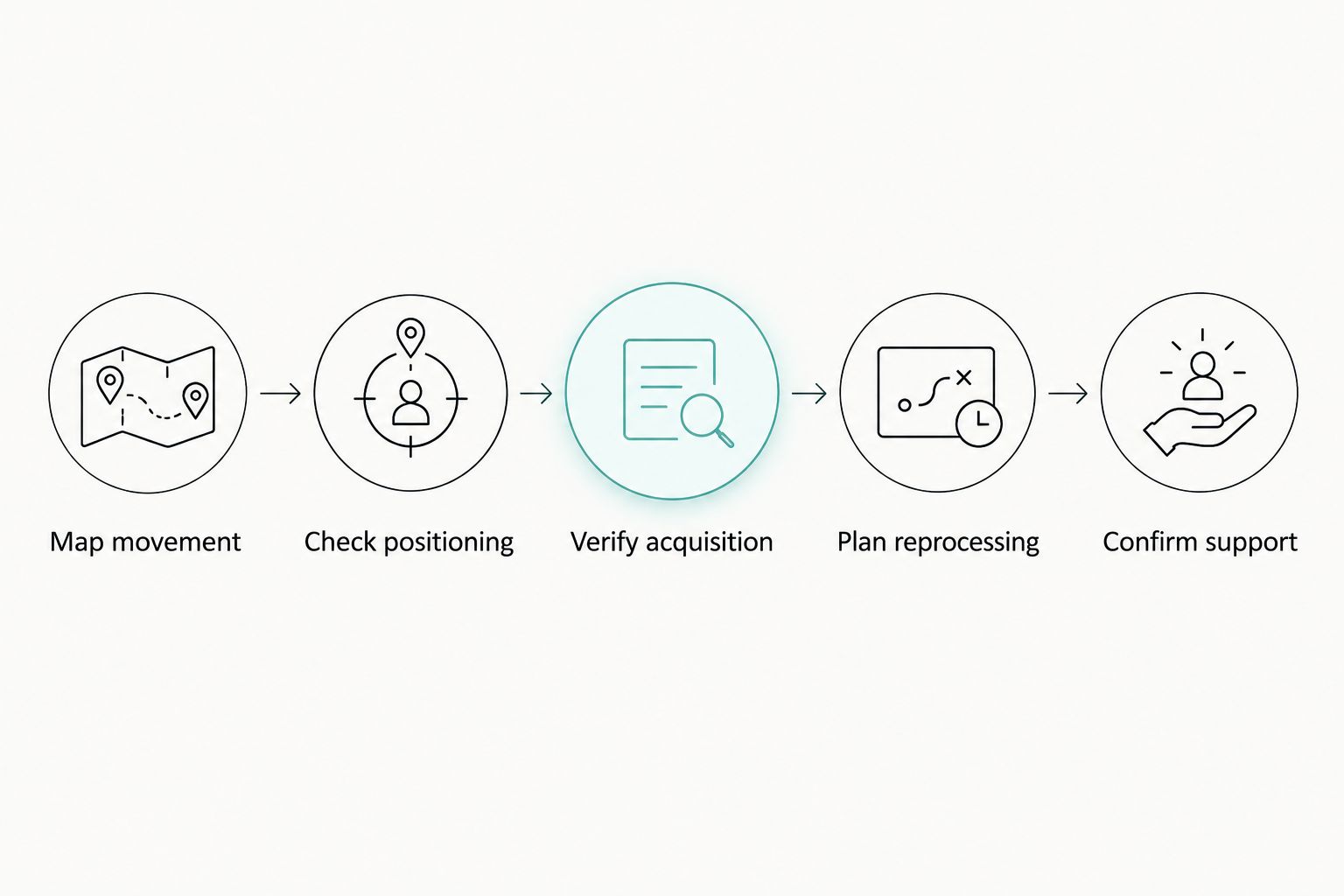
- Map movement. Identify where the equipment starts, where it is used, and where it returns for storage or charging. Include doorways and any transport between sites.
- Check positioning. Assess chair access, operator handling, receptor positioning, and space for an approved stand if proposed.
- Verify acquisition. Confirm that the sensor, workstation, and software complete the intended image-acquisition and record-management workflow.
- Plan reprocessing. Establish barrier removal, cleaning, disinfection, and preparation for the next patient according to the relevant instructions.
- Confirm support. Record who handles setup questions, technical faults, warranty claims, and service authorization.
Record failures as purchase criteria. If the stand cannot reach the required position without obstructing access, specify that limitation; if handheld use creates an unacceptable handling burden, specify supported positioning. This gives the supplier a concrete requirement to answer.
Why the right configuration varies between practices
The same generator format does not solve every operatory or mobile-care problem. Base your choice on these documented requirements:
- Movement between locations: Carrying equipment between sites is a different task from moving it within an operatory.
- Treatment-space access: Chair position, cabinetry, doorways, and other equipment determine where a stand can move and park.
- Operator handling: Assess support, balance, and control access in the prescribed operating position.
- Imaging workflow: Receptor positioning, acquisition software, and image management remain part of the purchase.
- Permitted configuration: Manufacturer instructions and applicable radiation-control requirements determine how the equipment can be used.
- Ownership responsibilities: Cleaning, charging, storage, maintenance, and service arrangements affect day-to-day operation.
Choose against your constraints, not against a general claim that handheld or mounted equipment is better. A configuration that solves transport but creates positioning problems is not a complete solution.
Does a stand improve dental X-ray image quality?
A stand supports the generator; it does not independently establish better image quality. Diagnostic image quality also depends on exposure selection, positioning, receptor performance, and the acquisition process.
Supported positioning can address a handling requirement, but the complete system still needs evaluation. Ask for a demonstration of the proposed configuration rather than accepting mounting format as evidence of diagnostic performance.
Can the same portable unit work handheld and on a stand?
The same portable unit can serve both workflows only when its manufacturer permits those configurations and specifies suitable accessories. Confirm the exact generator, mount, stand, and exposure-control arrangement.
Do not infer compatibility from a similar product name, matching appearance, or a bracket that physically fits. Written confirmation should identify the combination you intend to order and any operating restrictions.
Request a configuration-specific equipment quote
For a portable dental X-ray enquiry, ask ProElite Dental Supply to quote against your documented handheld or mounted workflow. The HyperLight Portable X-Ray System is a product to assess against those requirements; verify its current documentation rather than inferring specifications from its name.
Your 2026 quote request should identify:
- The generator and every required accessory, with exact model identification.
- The approved stand and mounting arrangement, if supported positioning is required.
- Whether the receptor, acquisition software, workstation, and positioning accessories are included or separately supplied.
- Product-specific warranty coverage, exclusions, and service procedures.
- Setup responsibilities, training scope, and the contact for technical questions.
Separate equipment, accessories, software obligations, and service responsibilities in the written proposal. An incomplete bundle can leave a technically suitable generator without the components needed for your intended workflow.
FAQ
What's the best portable xray configuration for a dental practice?
The best portable xray configuration matches your movement and positioning requirements: handheld for frequent equipment moves, or an approved mobile stand for supported positioning. Confirm manufacturer instructions and applicable radiation-control requirements before ordering.
Is a handheld dental X-ray unit safer than a stand-mounted unit?
Mounting format alone does not establish that a dental X-ray unit is safer. Evaluate the approved configuration, protective features, operating instructions, and radiation-protection procedures for the intended use.
Can I attach any portable dental X-ray unit to a mobile stand?
Use a mobile stand only when the generator manufacturer permits the configuration and identifies suitable mounting accessories. Physical fit alone does not establish approved compatibility.
Does a mobile stand let the operator leave the room during exposure?
A mobile stand does not automatically authorize remote exposure or a different operator position. Follow the approved exposure-control arrangement, manufacturer instructions, and applicable requirements.
Will a portable dental X-ray unit work with my existing digital sensor?
Confirm receptor suitability from the relevant manufacturer documentation rather than assuming compatibility. Check sensor software, workstation requirements, positioning accessories, and image-management workflow separately.
What should a portable dental X-ray quote include in 2026?
A 2026 portable dental X-ray quote should identify the generator, required accessories, approved mounting configuration, and any separately supplied imaging components. Request written warranty terms, service responsibilities, and setup requirements.
Should a mobile dentistry team choose handheld or stand-mounted equipment?
A mobile dentistry team should compare transport and site access against the need for supported positioning. Evaluate the complete assembly, storage arrangements, charging workflow, and requirements at the intended care locations.
One last thing
A stand can reduce the task of holding a generator while increasing the task of moving the complete setup. Include both tasks in your evaluation; checking only exposure positioning misses the work between patients and treatment locations.
Before requesting a final proposal from ProElite Dental Supply, write one sentence defining the required result: equipment that moves between specified locations, reaches your required positions, and operates in an approved configuration. That sentence is a stronger purchasing brief than “send your best portable unit.”